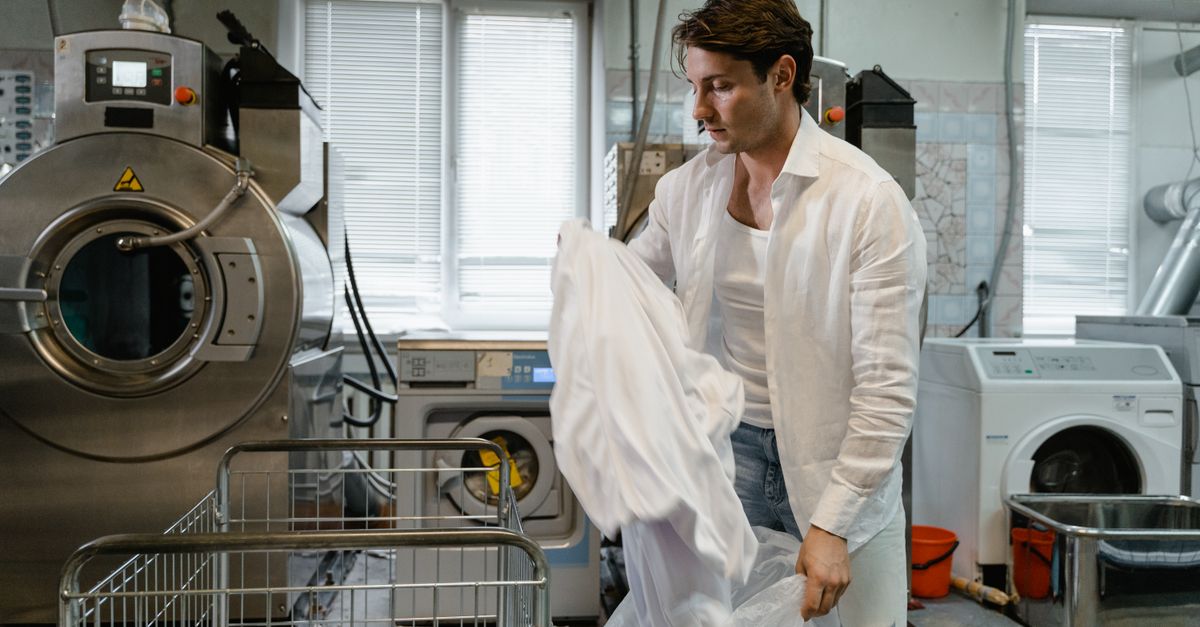
Why Your DIY Laundry Detergent Fails Most People (And What Actually Works for Truly Clean Clothes)
For years, I was that person. You know, the one who meticulously researched DIY cleaning recipes, convinced I was saving money, reducing chemicals, and single-handedly saving the planet. And for years, my laundry was… just okay. My whites weren’t quite white. My colors seemed a little dull. And that fresh scent I craved? Often replaced by a vague mustiness. I’d spend hours grating bar soap, mixing powders, and measuring essential oils, only to pull a load of towels from the dryer that felt stiff and looked less than sparkling.
I kept telling myself it was fine, that “eco-friendly” meant a slight compromise on cleanliness. But deep down, I knew something wasn’t right. My clothes weren’t truly clean. The mistake I see most often with DIY laundry detergent isn’t in the intention – it’s usually noble. The problem lies in a fundamental misunderstanding of laundry chemistry and the actual science behind cleaning fabrics. What changed everything for me was ditching the myth that simple ingredients can replicate complex, scientifically formulated detergents and embracing a more targeted, effective approach. If you’re tired of dingy clothes, persistent odors, and that vague feeling that your homemade concoction isn’t quite cutting it, this is for you.
Key Takeaways
- Most DIY laundry detergents lack the essential ingredients (surfactants and enzymes) needed for effective cleaning and stain removal.
- Hard water significantly hinders homemade detergents, causing soap scum buildup on clothes and machines.
- True fabric care requires understanding water hardness and tailoring your detergent and additives accordingly.
- For genuinely clean clothes, a hybrid approach combining targeted commercial detergents with strategic natural boosters is often the most effective solution.
The Fundamental Flaw: What Most DIY Recipes Miss
The vast majority of DIY laundry detergent recipes hinge on a combination of grated bar soap (like Fels-Naptha or Castile soap), washing soda (sodium carbonate), and borax (sodium borate). On the surface, this seems logical: soap for cleaning, washing soda for alkalinity and boosting cleaning power, and borax for softening water and added sanitization. The problem is, this combination fundamentally misfires when it comes to true cleaning power, especially compared to modern commercial detergents.
Let’s break it down. Bar soap, while great for handwashing, is not designed for machine laundry. It’s a true soap, made from fats and lye. When true soap interacts with the minerals (calcium and magnesium) in hard water, it forms insoluble precipitates – what we commonly call soap scum. This soap scum doesn’t just cling to your shower walls; it clings to your clothes, leaving them stiff, dull, and prone to trapping dirt and odors. This is why your “clean” clothes might feel less soft or look dingier over time. I experienced this firsthand with my white t-shirts, which slowly acquired a greyish cast that no amount of scrubbing could remove. It wasn’t just dirt; it was this embedded soap residue.
Commercial laundry detergents, on the other other hand, are formulated with surfactants. These are synthetic cleaning agents that don’t react with hard water minerals to form scum. Instead, they lift dirt and oil effectively, suspending them in the wash water so they can be rinsed away cleanly. This is a critical distinction that most DIY recipes completely overlook. You’re essentially trying to wash clothes with a product that creates residue, rather than cleanly removing it. In my own journey, the moment I realized this chemical difference, it was like a lightbulb went off. All those stiff towels and dull darks finally made sense.
Furthermore, modern commercial detergents contain a complex blend of enzymes (protease for protein stains like blood or grass, amylase for starches, lipase for fats/oils, cellulase for dinginess and fabric pills). These enzymes are incredibly specific and effective at breaking down different types of stains. Homemade detergents simply do not have these targeted stain-fighting powerhouses. You might get a superficial clean, but deeply set stains or complex spills will remain, leading to a build-up of unseen grime over time. My toddler’s clothes, perpetually adorned with mystery food stains, were a constant testament to this deficiency in my DIY attempts.
Hard Water: The Unsung Saboteur of Homemade Laundry
For most people, hard water is the silent killer of DIY laundry efforts. In my city, the water is notoriously hard – a fact I initially dismissed as a minor inconvenience. I thought adding borax or washing soda, as many recipes recommend, would completely neutralize the effects. I was wrong. While these additives do help some by increasing alkalinity and sequestering some minerals, they rarely address the problem completely, especially with true soap-based recipes. The sheer volume of calcium and magnesium ions in hard water overwhelms simple additives, making soap scum formation inevitable.
When soap scum accumulates on your clothes, it doesn’t just make them look dingy; it also traps odors, especially in synthetic fabrics or activewear. I remember noticing a persistent funk in my workout clothes even after washing them in my DIY concoction. I’d assumed it was just part of owning activewear, but it was actually a layer of soap residue clinging to the synthetic fibers, acting as a magnet for body oils and bacteria. It created a breeding ground for odors, rather than eliminating them.
Beyond your clothes, hard water combined with homemade soap can also wreak havoc on your washing machine. Over time, soap scum can build up on the drum, hoses, and internal components, leading to decreased efficiency, residue transferring back onto clean clothes, and even costly repairs. I started noticing a slight slimy film inside my detergent dispenser and around the rubber gasket of my front-loader – a clear sign of persistent residue that wasn’t rinsing away. This wasn’t just about clean clothes; it was about maintaining my expensive appliance.
To truly combat hard water, you need to know your water hardness level. You can often find this information on your municipal water report or by using a simple test kit. If your water is moderately to very hard (above 7 grains per gallon or 120 mg/L), you’re fighting an uphill battle with most DIY soap recipes. What actually works is either investing in a whole-house water softener (a significant investment, but transformative for laundry and plumbing) or, more practically, using a commercial detergent specifically formulated for hard water, or adding a dedicated water softener like an ion exchange product in conjunction with a detergent (not soap).
The False Economy: Time, Effort, and Hidden Costs
When I first started making my own laundry detergent, I envisioned saving a fortune. The reality was a constant drain on my time and energy, with questionable financial benefits in the long run. Grating bars of soap, mixing powders, cleaning residue from the washing machine, and re-washing loads that didn’t come out clean all added up. My Sunday afternoons, which I’d planned for relaxation, often devolved into a DIY chemistry lab, followed by a frustrating laundry session.
Let’s talk about the actual costs. While the raw ingredients for homemade detergent might seem cheap per purchase, consider the bulk you need, the frequency of re-making it, and the potential need for additional additives to address specific issues (like the aforementioned hard water or stubborn stains). The time spent sourcing ingredients, preparing the mixture, and dealing with substandard results also has a hidden cost. My biggest revelation was when I calculated the true hourly rate of my labor – if I valued my time at even minimum wage, I was practically paying myself to make inferior detergent.
Beyond the immediate cost and effort, there’s the long-term impact on your clothes. Clothes that aren’t truly cleaned will wear out faster. Residual dirt and soap scum can abrade fibers, leading to premature thinning, pilling, and fading. This means you’ll be replacing clothes more often, negating any perceived savings from your DIY detergent. I saw this particularly with my more delicate items, which seemed to lose their shape and texture faster than they should have.
What actually works for a truly economical and effective approach is to be a smart consumer of commercial detergents. Look for sales, buy in bulk when appropriate, and choose a concentrated formula that suits your needs. The upfront cost might seem higher than a bag of washing soda, but the efficiency, superior cleaning power, and prolonged life of your garments often lead to greater overall savings and far less frustration. My focus shifted from just buying the cheapest ingredients to buying the most effective product for my specific laundry challenges.
A Hybrid Approach: Strategic Natural Boosters for Real Results
After years of trial and error, I’ve landed on a system that gives me genuinely clean clothes without the chemical overkill I initially feared, and without the ineffectiveness of purely homemade options. It’s a hybrid approach: I use a high-quality, free-and-clear commercial laundry detergent, and then I strategically add natural boosters for specific needs. This way, I get the scientific cleaning power of surfactants and enzymes, coupled with the targeted benefits of natural ingredients without their inherent limitations.
Here’s what I actually use and how it works:
High-Quality Commercial Detergent: I opt for a scent-free, dye-free liquid detergent. Liquids dissolve better in water (especially cold water) and are less likely to leave residue than powders. The “free-and-clear” varieties minimize potential irritants for my sensitive skin, addressing one of my initial motivations for DIY. This provides the essential surfactants and enzymes for lifting dirt and breaking down stains effectively, something no amount of borax and washing soda can truly replicate.
White Vinegar as a Fabric Softener & Residue Remover: Instead of chemical fabric softeners, I add 1/2 cup of white vinegar to the fabric softener dispenser. Vinegar is a mild acid that helps to dissolve any residual soap (even from commercial detergents, though less likely), hard water minerals, and detergent buildup. It leaves clothes surprisingly soft, brightens whites, and acts as a natural deodorizer. Crucially, it leaves no vinegar smell once dried. This was a game-changer for my stiff towels and funky activewear. It truly helped remove existing residue, rather than just masking it.
Oxygen Bleach for Whites and Brights: For dingy whites and colors that need a boost, I use an oxygen-based bleach (like OxiClean, a non-chlorine bleach) rather than harsh chlorine bleach. It’s safe for most colors and works by releasing oxygen when dissolved in water, which helps to break down stains and brighten fabrics without damaging them. I add the recommended amount directly to the wash drum with my detergent. This provides a safe, powerful whitening and brightening action that my DIY baking soda mixtures simply couldn’t touch.
Baking Soda for Odor Neutralization: For particularly smelly items (like pet bedding or heavily soiled gym clothes), I’ll add 1/2 cup of baking soda directly to the wash drum with my detergent. Baking soda (sodium bicarbonate) is excellent at absorbing and neutralizing odors. It’s milder than washing soda and won’t contribute to soap scum in the same way. It’s a targeted treatment, not a general cleaner. This was my go-to for my kids’ sports uniforms, finally eliminating that persistent locker room smell.
This layered approach ensures my clothes are truly clean, fresh, and soft, without relying on ineffective DIY solutions or overwhelming them with unnecessary chemicals. It’s about understanding the science and using the right tools for the job.
Rethinking “Natural” for Laundry: Efficacy Over Ideology
My journey through DIY laundry was heavily influenced by a desire for “natural” solutions. I equated store-bought with “bad” and homemade with “good.” What I eventually realized is that “natural” doesn’t always equal “effective” or even “safer” in the context of complex cleaning tasks like laundry. The chemistry of cleaning is intricate, and modern detergents are the result of decades of scientific research to effectively remove dirt, stains, and odors while being safe for fabrics and machines.
Many common natural ingredients like essential oils, while they smell nice, do absolutely nothing to clean clothes. In fact, directly adding undiluted essential oils can leave oil spots on fabrics and potentially damage your machine over time. Similarly, claims about the miraculous cleaning power of ingredients like soap nuts often fall short in real-world scenarios, especially with heavy soiling or hard water. They release saponins, which are natural surfactants, but their concentration and efficacy are far lower than engineered detergents.
What actually works is to reframe your understanding of “natural” in laundry. Instead of aiming for 100% DIY, aim for intentional choices. Choose commercial detergents that are transparent about their ingredients, opt for fragrance-free and dye-free options to reduce potential irritants, and look for certifications that align with your values (like EPA Safer Choice or Ecologo). Then, augment their power with truly effective natural additives like vinegar or baking soda, used strategically, not as primary cleaning agents.
This shift in perspective allowed me to let go of the guilt I felt for not being able to make a perfectly effective DIY detergent. It freed up my time and mental energy, and most importantly, it resulted in clothes that were genuinely clean, felt better, and lasted longer. It’s about efficacy and real-world results, not just a label.
Maintaining Your Washing Machine for Optimal Cleanliness
No matter what detergent you use, a clean washing machine is paramount to truly clean clothes. Residual soap scum, mold, mildew, and trapped debris can all contribute to dingy laundry and unpleasant odors. This is especially true if you’ve been using homemade, soap-based detergents, which are notorious for leaving behind film and buildup within the machine itself.
What changed everything for me was adopting a regular machine cleaning routine. This isn’t just a recommendation; it’s essential for anyone, but particularly those who’ve struggled with DIY methods. In my experience, even after I switched to commercial detergents, I had to work to purge years of homemade detergent residue from my machine. I started noticing lint, pet hair, and general grime clinging to the sides of the drum and, most alarmingly, to the inside of the rubber gasket on my front-loader. This buildup would then transfer back onto my supposedly clean laundry, creating a frustrating cycle of re-washing.
Here’s a simple, effective cleaning schedule that actually works:
- Monthly Deep Clean: Once a month, run an empty hot water cycle with either two cups of white vinegar or a specialized washing machine cleaner. If using vinegar, pour it directly into the detergent dispenser. For front-loaders, pay extra attention to cleaning the rubber gasket with a cloth soaked in vinegar or a diluted all-purpose cleaner – you’ll be shocked at what accumulates there. This helps dissolve soap scum, kill mold and mildew, and flush out any lingering odors. I found doing this religiously eliminated that musty smell that plagued my machine for so long.
- Regular Wiping: After every few washes, wipe down the detergent dispenser, the drum, and especially the rubber gasket (for front-loaders) with a damp cloth. This prevents new buildup and removes any immediate residue before it can solidify or grow mold. This simple habit, taking less than 30 seconds, makes a huge difference in the long run.
- Leave the Door Ajar: Always leave the washing machine door slightly ajar after a cycle, allowing the interior to air dry completely. This is critical for preventing mold and mildew growth, especially in humid environments. My musty clothes problem disappeared almost overnight once I started consistently doing this.
- Clean the Filter (Front-Loaders): Refer to your machine’s manual, but many front-loaders have a small filter, often located near the bottom front of the machine. This filter traps lint, coins, and other small items. Cleaning it every few months prevents clogs and ensures efficient drainage. I once found a small, matted ball of soap scum and pet hair in mine that explained so many of my lingering issues.
By ensuring your washing machine is truly clean, you’re setting yourself up for success with any detergent, effectively eliminating one of the biggest hidden culprits behind dingy, smelly laundry. It’s a fundamental step that many, myself included, overlooked for far too long.
Beyond Detergent: The Importance of Load Size and Water Temperature
While the right detergent is critical, even the best formula can fail if you’re not paying attention to other fundamental laundry practices. Two of the most common mistakes I observed in my own household, and among others struggling with laundry, were improper load size and incorrect water temperature. These seemingly minor details have a disproportionately large impact on how truly clean your clothes get.
Load Size: The Overfilling Trap. I used to cram as many clothes as humanly possible into my washing machine, thinking I was being efficient. What I was actually doing was hindering the cleaning process. An overloaded machine doesn’t allow clothes enough room to agitate properly, meaning the detergent can’t reach all the fabric surfaces, and dirt and soil can’t be effectively rinsed away. Clothes come out looking and feeling less clean, and often still retain odors or visible grime. It’s a false economy, as you’ll likely end up re-washing the load.
What actually works is leaving enough space for your clothes to move freely. As a general rule, don’t pack the machine more than three-quarters full. If you have a top-loader with an agitator, clothes should be able to circulate easily around it. For front-loaders, you should be able to fit your hand vertically between the top of the clothes and the top of the drum. This ensures proper saturation, agitation, and rinsing, allowing your detergent to do its job effectively. I found that splitting my huge “everything” load into two smaller, more manageable ones, dramatically improved the cleanliness of both.
Water Temperature: Dispelling the Hot Water Myth. Many people still believe that hot water is always best for cleaning, especially for heavily soiled items. While hot water can be effective for certain tasks (like sanitizing towels or tackling greasy stains), it’s often unnecessary and can even be detrimental. Hot water can set protein stains (like blood or milk), cause certain fabrics to shrink or colors to fade, and uses significantly more energy. It was a habit I picked up from my grandmother, but modern detergents are formulated to work effectively in a range of temperatures.
What actually works for most loads is cold water or warm water (around 90°F/32°C). Cold water is fantastic for most everyday loads, colors, and delicate items, saving energy and helping to preserve fabric integrity and color. Warm water can be a good compromise for moderately soiled items, whites, or synthetics. The key is to check your garment care labels and use the coolest water temperature that will still get your clothes clean. I’ve switched to almost exclusively cold water washes for the majority of my laundry, and my clothes look just as clean, if not cleaner (due to less fading), and my energy bills are noticeably lower. The myth that cold water can’t clean effectively is largely debunked by modern detergent formulations.
By optimizing both load size and water temperature, you’re providing the ideal environment for your detergent to perform, moving beyond just the ingredients themselves to truly master the art of clean laundry.
Frequently Asked Questions
Q: Is homemade laundry detergent safe for septic systems?
A: While most DIY detergents claim to be septic-safe, the concern isn’t just about biodegradability. True soaps, like those made from grated bars, can contribute to soap scum buildup in your septic tank and drain field over time, potentially leading to clogs and reduced system efficiency. Commercial detergents, formulated with surfactants, are generally less problematic for septic systems when used in moderation and chosen from septic-safe options. Always research specific commercial products for septic safety if this is a concern.
Q: Why do my clothes feel stiff after using homemade detergent?
A: Stiffness is a classic sign of soap scum residue. When the true soap in homemade detergents reacts with minerals in hard water, it forms insoluble compounds that cling to fabric fibers. This residue makes clothes feel rough and stiff, traps dirt, and can lead to dinginess over time. Adding white vinegar to the rinse cycle can help dissolve some of this residue, but the fundamental issue lies with using true soap in hard water.
Q: Can I use just washing soda or borax instead of a full DIY recipe?
A: While washing soda (sodium carbonate) can boost cleaning power by increasing pH and softening water, and borax (sodium borate) can aid in water softening and odor control, neither is a complete cleaning agent on its own. They lack the essential surfactants and enzymes found in commercial detergents that are needed to lift and remove various types of dirt, oil, and stains effectively. Using them alone will likely result in superficially clean but not truly deep-cleaned clothes.
Q: How do I know if I have hard water?
A: You can often check your municipal water report online, which will list water hardness in grains per gallon (GPG) or milligrams per liter (mg/L). You can also purchase inexpensive home test kits (strips or liquid drops) from hardware stores or online. Common signs of hard water include soap scum buildup on fixtures, scale deposits in kettles, and clothes that feel stiff or look dingy after washing.
Q: What’s the biggest benefit of switching back to a commercial detergent?
A: The biggest benefit is superior cleaning efficacy and stain removal, especially for a wide range of soils and hard water conditions. Commercial detergents are scientifically formulated with a complex blend of surfactants, enzymes, and other cleaning boosters that effectively lift dirt and prevent redeposition, leading to genuinely clean, fresh-smelling, and longer-lasting clothes with less effort and frustration. They are designed to rinse cleanly without leaving residue on fabrics or in your machine.
Conclusion
My journey through the world of DIY laundry detergent was a long one, marked by good intentions but often frustrating results. What I ultimately learned is that for truly clean clothes, sometimes the simpler, more scientifically robust solution is the most effective. Homemade soap-based detergents, while appealing in their simplicity, often fall short due to the complex chemistry of cleaning, especially when battling hard water and stubborn stains. They can leave behind residues that make clothes stiff, dull, and prone to odors, and can even impact the longevity of your washing machine.
By embracing a hybrid approach – using a high-quality, free-and-clear commercial detergent augmented by strategic natural boosters like white vinegar and oxygen bleach – you can achieve superior cleanliness without sacrificing your values. Focus on understanding your water, maintaining your machine, and optimizing your wash cycles. This shift allowed me to reclaim my laundry room from a frustrating science experiment and turn it into a source of genuinely fresh, soft, and clean clothes. Take the leap, and you’ll likely find, as I did, that truly clean laundry is not only achievable but also surprisingly effortless.
Written by Chloe Davies
Lifestyle & Well-being
Chloe, a seasoned lifestyle editor, focuses on curating attainable improvements for everyday living, from home organization to well-being.
You Might Also Like

Why Your Homemade Pie Crust Is Soggy (And The Pro Secrets for Flaky Perfection Every Time)
Stop soggy pie crusts! Learn the critical mistakes home bakers make and the pro secrets for perfectly flaky, golden pie crusts every time.

Why Your Garden Faucet Always Leaks (And The Simple Fixes Most People Miss)
Stop that annoying drip! Discover the overlooked reasons your garden faucet leaks and the practical, pro-level fixes that actually work.
Why Your Homemade Sauces Are Too Thick or Gummy (And The Pro Secrets for Silky Perfection Every Time)
Struggling with thick, gummy sauces? Learn the pro secrets to achieve silky-smooth, perfectly textured homemade sauces every time.