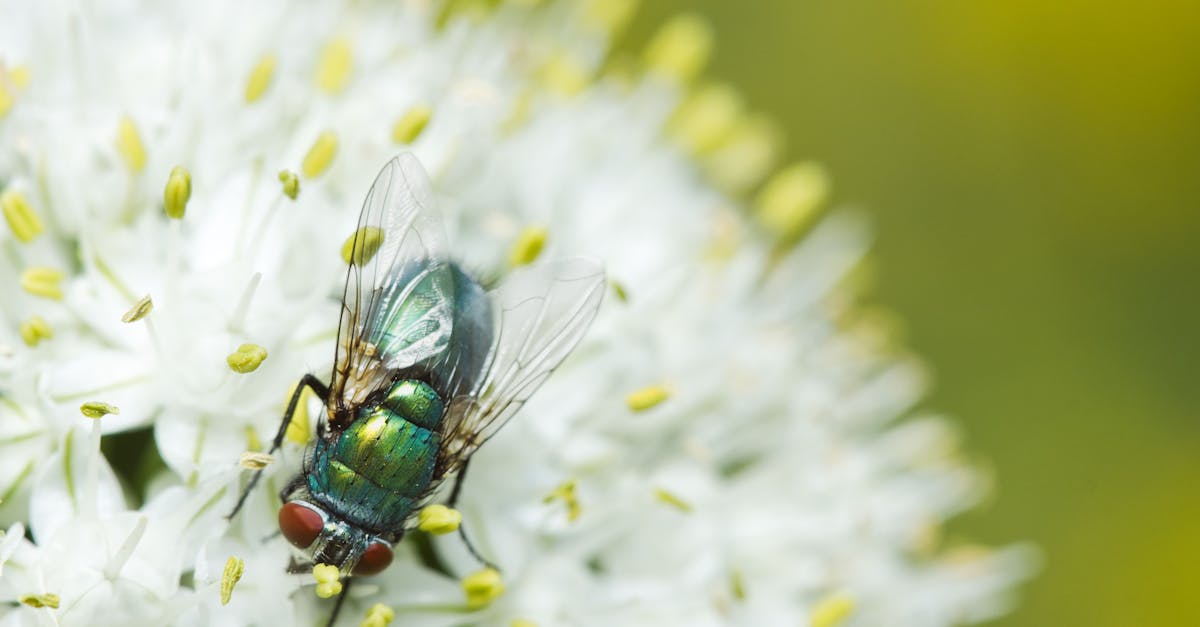
Why Your Home Garden Is Attracting Pests, Not Pollinators (And What Actually Works for a Thriving Ecosystem)
You’ve spent countless hours meticulously planning, planting, and nurturing your home garden. You envision vibrant blooms, buzzing bees, and a bountiful harvest. Yet, for many home gardeners, the reality is a constant battle against unwelcome invaders. You find yourself battling aphids, spider mites, and slugs, while the bees and butterflies you hoped for are nowhere to be seen. It’s frustrating, disheartening, and often leads to giving up on the dream of a truly thriving, natural garden. I know this feeling well; for years, my garden was a buffet for every pest in the neighborhood, while my desired pollinators seemed to bypass my yard entirely.
What many gardeners don’t realize is that an imbalanced garden ecosystem doesn’t just happen by chance. It’s often the direct result of well-intentioned but misguided practices. The truth is, creating a garden that naturally deters pests and attracts beneficial insects isn’t about expensive chemicals or constant intervention; it’s about understanding and working with nature, not against it. My own journey from pest-ridden despair to a buzzing, vibrant oasis taught me that the conventional wisdom often misses the mark.
Key Takeaways
- Monoculture planting creates an ‘all-you-can-eat’ buffet for specific pests, leading to infestations and deterring a balanced ecosystem.
- Relying solely on ‘pest-repellent’ plants without addressing underlying soil health and biodiversity imbalances provides only temporary, ineffective relief.
- Neglecting diverse water sources and varied plant structures prevents beneficial insects and pollinators from establishing a permanent home in your garden.
- Misunderstanding the life cycles of both pests and beneficial insects leads to mistimed interventions that harm your garden’s natural defenses.
The Monoculture Trap: Why Uniformity Invites Disaster
One of the biggest mistakes I see home gardeners make, and one I certainly made for a long time, is planting in monocultures or large blocks of the same plant. Visually, it can look stunning – a sea of lavender or a uniform bed of tomatoes. But ecologically, it’s an open invitation for disaster. When you plant large swaths of a single crop, you’re essentially creating an ‘all-you-can-eat’ buffet for any pest that specializes in that particular plant. Imagine a pest flying over, seeing acres of its favorite food – it’s going to settle in and thrive, reproducing rapidly because its food source is abundant and easily accessible. There’s no natural barrier, no deterrent, just an uninterrupted feast.
My own experience with this was particularly painful with basil. I loved the idea of a massive, fragrant basil patch, so I planted rows upon rows. Within weeks, it was decimated by Japanese beetles. They arrived, saw their paradise, and multiplied faster than I could pick them off. This wasn’t just bad luck; it was a predictable outcome of an imbalanced approach. What changed everything for me was embracing intercropping and companion planting. Instead of solid blocks, I started weaving different plants together. For example, I now plant basil amongst my tomatoes (which it reportedly enhances the flavor of, too), marigolds (Tagetes spp.) are interspersed throughout my vegetable beds, and nasturtiums (Tropaeolum majus) are strategically placed near plants susceptible to aphids.
This strategy works on multiple levels. First, it confuses pests. They have a harder time locating their host plant when it’s surrounded by other species. Second, some companion plants actively deter pests through their scent (like marigolds or strong-smelling herbs). Third, and most importantly, it creates a more complex and resilient ecosystem. If a pest finds a host plant, it can’t easily spread to the next one because there’s a different species in the way. This slows down infestations and gives beneficial insects a chance to catch up. When I started truly mixing it up, putting calendula (Calendula officinalis) near my beans to attract lacewings for aphid control, and scattering dill (Anethum graveolens) and cilantro (Coriandrum sativum) to draw in parasitic wasps, the difference was immediate and dramatic. My basil, now part of a diverse tapestry, thrives, and the Japanese beetle problem became a minor nuisance, not an overwhelming crisis. The lesson here is clear: nature abhors a vacuum, and it also abhors a monoculture. Diversity is your strongest defense.
The Shallow Soil Trap: Why Neglecting the Foundation Invites Weakness
Another critical, yet often overlooked, factor in why gardens attract pests rather than pollinators is the state of the soil. Many gardeners focus intensely on the plants above ground – watering, pruning, fertilizing – but neglect the living, breathing foundation beneath their feet. In my early gardening days, I thought ‘good soil’ just meant something that wasn’t pure clay or sand. I used a generic potting mix for raised beds and barely considered amending my in-ground beds. The result? My plants were perpetually stressed. They grew slowly, had weak stems, and their leaves often showed signs of nutrient deficiencies, even when I applied synthetic fertilizers. These stressed plants are like flashing neon signs for pests; insects are evolutionarily wired to target weak or diseased plants, as a way of pruning the herd in nature.
What I learned was that healthy soil is the ultimate pest deterrent and pollinator magnet. Soil isn’t just dirt; it’s a complex ecosystem teeming with microorganisms, fungi, and beneficial invertebrates. These organisms break down organic matter, make nutrients available to plants, improve water retention, and even help plants resist diseases and pests. A thriving soil microbiome creates stronger, more resilient plants that can better withstand pest attacks. Furthermore, many beneficial insects and ground-dwelling creatures that are crucial for pest control (like ground beetles) rely on healthy soil structure and organic matter for habitat and food.
My transformation began when I committed to significantly improving my soil. I started by doing a soil test to understand its composition and nutrient levels, which was a huge eye-opener. Then, I began a relentless campaign of adding organic matter. I incorporated copious amounts of compost (my own homemade compost, rich in diverse microbial life), leaf mold, and aged manure into all my beds. I also started practicing no-dig gardening, minimizing soil disturbance to protect the delicate soil structure and its inhabitants. I now use a thick layer of wood chip mulch annually, which slowly breaks down, feeds the soil, conserves moisture, and suppresses weeds, further reducing plant stress.
The difference in my plants was astounding. They became noticeably more vigorous, with lush, dark green foliage and robust growth. They looked healthy, and suddenly, pests like aphids and whiteflies became far less problematic. When they did appear, their numbers were small, and beneficial insects like ladybugs (Coccinellidae) and lacewings (Chrysopidae) quickly moved in to keep them in check. The robust plants could handle a little nibbling without collapsing. By focusing on building living soil, I created a garden that was not just surviving, but truly thriving from the ground up.
The Missing Habitat: Why Pollinators Can’t Stay (And Pests Have No Predators)
Many gardeners plant a few flowers for pollinators and wonder why their garden isn’t buzzing with life. The truth is, planting a few nectar-rich flowers is only half the battle. If you want pollinators and beneficial insects to stay in your garden and make it their home, providing ample and varied habitat is non-negotiable. My early garden was a tidy, somewhat sterile space. I thought ‘clean’ gardening was good gardening – removing all fallen leaves, pulling every weed, and keeping plant beds immaculately bare. While visually neat, it was an ecological desert for beneficial insects.
Beneficial insects and pollinators need more than just food; they need shelter, nesting sites, and water sources throughout their life cycles. Without these, they’ll visit for a quick snack and then move on, leaving your pest problems unchecked. For example, many beneficial wasps and solitary bees nest in hollow stems or bare ground. Ladybugs need overwintering sites like leaf litter or tall grasses. Butterflies need specific host plants for their caterpillars, not just nectar plants for adults. If your garden is too manicured, or if every plant is a non-native ornamental with little ecological value, you’re inadvertently sending a message: ‘Don’t settle here.’
What fundamentally changed my garden was embracing a slightly wilder, more layered approach. I started by diversifying my plant choices beyond just pretty flowers. I now prioritize native plants that have evolved alongside local insects, offering precisely the nectar, pollen, and host resources they need. I also think in terms of layers: ground cover, herbaceous plants, shrubs, and even small trees. This provides varied shelter and microclimates.
Crucially, I also integrated specific habitat features: I leave patches of bare soil for ground-nesting bees, create brush piles in unused corners for overwintering insects, and allow some hollow plant stems to remain standing over winter. I also installed a shallow bird bath with rocks for insects to land on, ensuring a consistent water source. These small changes made a monumental difference. My garden stopped being a transient feeding station and started becoming a vibrant, permanent home. I saw a huge increase in ladybugs, lacewings, predatory wasps, and a much wider variety of bees and butterflies. These beneficial insects now work tirelessly, often unnoticed, to keep pest populations naturally in check. My efforts shifted from actively fighting pests to passively supporting their natural predators, a far more sustainable and enjoyable approach.
The Timing Trap: Why Mistimed Interventions Make Things Worse
One of the most common, and often counterproductive, mistakes gardeners make is mistiming their pest control interventions, particularly when resorting to sprays. In a panic, seeing aphids on a favorite rose, the immediate instinct is to grab a bottle of insecticidal soap or neem oil and spray liberally. While these organic sprays are far better than synthetic pesticides, using them at the wrong time or without understanding the ecosystem can do more harm than good. My garden certainly suffered from this early on; I’d spray at the first sign of trouble, only to find the problem returning, often worse, a few weeks later.
The core issue is a lack of understanding of the life cycles of both pests and beneficial insects. When you spray broad-spectrum organic insecticides, even mild ones, you don’t just kill the target pest. You often kill the very beneficial insects that are trying to help you. For instance, if you spray for aphids, you might kill the ladybug larvae or lacewing eggs that are about to hatch and feast on those aphids. You eliminate your natural allies, creating a vacuum where pests, with their typically faster reproduction rates, can bounce back with a vengeance because their predators are gone.
My approach shifted dramatically when I learned the importance of observation and patience. Now, at the first sign of a pest, I don’t reach for a spray. Instead, I closely observe. How many pests are there? Are there any beneficial insects present? Are they actively preying on the pests? Often, if I wait a few days, a small problem resolves itself naturally. For example, my kale might get a few aphids, but within a week, I’ll see ladybug larvae systematically munching their way through them. Intervening too early disrupts this natural balance.
If intervention is necessary, I use the most targeted and least disruptive methods possible, and always consider the timing. For instance, if I spot squash bugs, I hand-pick them and their eggs. If an aphid population gets out of control before beneficials arrive, I might use a strong jet of water to knock them off, or a targeted application of insecticidal soap only on the affected plant parts, late in the evening when pollinators are not active. I meticulously check for beneficial eggs or larvae before spraying anything. Understanding that beneficial insects need some pests to survive – they are a food source after all – allows me to tolerate a small, manageable pest population. This tolerance fosters a robust predatory population, which in turn provides far more effective long-term pest control than any spray ever could. This strategic patience and targeted action have been game-changers, transforming my garden into a self-regulating, thriving ecosystem.
The Over-Fertilization Fallacy: Why Too Much of a Good Thing Backfires
It’s tempting to think that more fertilizer equals bigger, healthier plants, which then naturally deter pests. In my early gardening years, I diligently fed my plants, sometimes even exceeding recommended dosages, convinced I was providing them with everything they needed. My plants often looked lush and green, but they were also paradoxically weak and constantly attracting pests, especially aphids. I couldn’t understand why these ‘healthy’ looking plants were such pest magnets. This was the over-fertilization fallacy in action.
The truth is, excessive nitrogen, in particular, can lead to rapid, soft, sappy growth. This kind of growth is incredibly attractive to sap-sucking pests like aphids, whiteflies, and spider mites. The plant’s cell walls are thinner, making it easier for pests to penetrate and feed. It’s like serving up tender, juicy vegetables on a silver platter. These overly succulent plants often lack the robust defense mechanisms of plants grown in more balanced conditions. They also tend to have a lower sugar content in their sap, which some studies suggest can make them more palatable to certain pests.
What I learned was that balanced nutrition through healthy soil is key, not excessive feeding. Instead of constantly pushing for rapid growth with synthetic, high-nitrogen fertilizers, I shifted my focus to nourishing the soil first (as mentioned in the earlier point on soil health). My primary ‘fertilizer’ now is compost. It provides a slow, steady release of a balanced array of nutrients, along with vital trace minerals and a diverse microbial community. When I do use supplemental nutrients, I opt for organic, slow-release options like kelp meal, alfalfa meal, or worm castings, which feed the soil biology and then the plants.
I also learned to read my plants more carefully. Instead of automatically fertilizing on a schedule, I observe their growth and only supplement if there are clear signs of deficiency. For instance, if plants are looking pale despite good soil, I might apply a diluted liquid organic feed. But generally, the robust soil health I’ve cultivated means less need for external inputs. This shift away from force-feeding my plants resulted in slower, but stronger, more resilient growth. The plants were less ‘sappy’ and significantly less attractive to sap-sucking pests. The result was fewer pest outbreaks and a healthier, more balanced ecosystem where plants thrived without being overly stressed or overly appealing to the wrong kind of visitors. It’s about moderation and working with the plant’s natural rhythm, not against it.
The Non-Native Overload: Why Exotic Beauties Can Be Ecological Dead Ends
When I first started gardening, I was drawn to the most striking, colorful plants I could find at the nursery, often beautiful exotics from faraway lands. My garden was a collection of showstopping petunias, vibrant impatiens, and dramatic canna lilies. While undeniably pretty, I noticed they were often devoid of insect life, save for the occasional generalist pollinator. My garden was aesthetically pleasing, but it felt silent and static. This was the non-native overload problem, and it directly contributed to my pest issues and lack of pollinators.
The fundamental issue is that native insects, including many of our most effective beneficials and specialized pollinators, have evolved over millennia alongside native plants. They have co-dependent relationships: specific caterpillars feed only on specific native host plants, certain bees can only access pollen from certain native flower structures, and many predatory insects rely on the unique microhabitats provided by native species. When your garden is dominated by non-native plants, you’re essentially offering empty calories or inaccessible food sources. These plants often lack the specific chemical compounds, pollen structures, or growth habits that local insects need. Pollinators might visit them out of desperation, but they won’t thrive, nest, or complete their life cycles in such an environment. As for pests, some non-natives come with their own dedicated pests, or they might attract generalist pests that then move onto your other crops, while lacking the native predators to keep them in check.
What changed everything for me was a deep dive into native plant gardening. I started researching the native plants of my region and slowly began integrating them into my landscape. I replaced some of my exotic annuals with native wildflowers like coneflowers (Echinacea purpurea), black-eyed Susans (Rudbeckia hirta), and asters (Symphyotrichum spp.). I introduced native shrubs like elderberry (Sambucus canadensis) and serviceberry (Amelanchier spp.), which provide both food and shelter. I also learned about the specific host plants for local butterflies – for instance, planting milkweed (Asclepias spp.) to support monarch butterflies, not just for nectar but as the sole food source for their larvae.
The transformation was remarkable. Suddenly, my garden came alive. The native plants became magnets for a dizzying array of native bees, butterflies, and other beneficial insects I had rarely seen before. These insects aren’t just visitors; they are integral parts of the local ecosystem, and they bring their pest-controlling services with them. My garden now buzzes with life, and the natural balance is far more robust. While I still have a few treasured non-native ornamentals, the backbone of my garden is now native species. This not only supports local biodiversity but also creates a resilient, low-maintenance garden that naturally attracts the good guys and keeps the bad guys in check. It’s about creating a living landscape that truly belongs where it is.
The Pesticide Paradox: Why Even Organic Sprays Can Hurt More Than Help
When faced with a pest outbreak, the instinct to spray is powerful. Even as an advocate for organic gardening, I used to reach for my neem oil or insecticidal soap at the first sign of trouble. I reasoned that since they were ‘organic,’ they must be harmless to the beneficial ecosystem. This was my pesticide paradox – believing I was helping, but often setting my garden back. I learned the hard way that even organic sprays, when misused or overused, disrupt the delicate balance you’re trying to achieve, ultimately favoring the pests.
The core of the paradox lies in the broad-spectrum nature of many organic insecticides. Neem oil, for instance, isn’t selective; it affects a wide range of insects, including beneficial predators and pollinators, by disrupting their feeding or reproductive cycles. Insecticidal soaps work by suffocating soft-bodied insects, which includes aphids, but also ladybug larvae, lacewings, and many other tiny beneficials. When you eliminate these natural predators along with the pests, you remove your garden’s internal defense system. Pests, with their generally faster reproductive rates, often bounce back quicker than beneficial insects, leading to recurring infestations that seem to require constant spraying – a vicious cycle.
My turning point came when I started to truly observe my garden’s ecosystem before intervening. I learned that a small number of pests is often a necessary food source for beneficial insects. Without these ‘snacks,’ the beneficials have no reason to stick around. I also began to identify the different life stages of beneficial insects, realizing I was often spraying away future pest control. What changed everything for me was embracing a strategy of minimal intervention and precise targeting, coupled with patience.
Now, my first line of defense is always non-chemical: hand-picking larger pests like squash bugs or tomato hornworms, or blasting aphids off plants with a strong jet of water. If a pest population truly gets out of hand and no beneficials are present to control it, I’ll consider a highly targeted organic spray. Crucially, I apply it only to the affected plants, at dusk or dawn when pollinators are least active, and always after carefully checking for beneficial eggs or larvae. I aim to treat only the immediate problem, not blanket-spray the entire garden. This approach ensures that I preserve as many beneficial insects as possible, allowing them to do the heavy lifting of pest control. The most effective pest control, I’ve found, is a thriving ecosystem where nature does the work for you. By understanding the pesticide paradox, I shifted from fighting my garden’s problems to fostering its strengths, leading to a healthier, more vibrant, and truly self-sustaining space.
Frequently Asked Questions
Q1: My garden is full of aphids, but I don’t see any ladybugs. What should I do?
A1: First, resist the urge to spray immediately. Ladybugs and lacewings might be on their way. Use a strong jet of water from your hose to dislodge the aphids. This is often surprisingly effective and harmless to beneficials. If the problem persists after a few days, consider purchasing live ladybugs or lacewing larvae from a reputable supplier. Release them in the evening when temperatures are cooler. Ensure your garden has diverse plants and water sources to encourage them to stay and lay eggs for future generations. Don’t forget that ladybug larvae are voracious aphid eaters and look very different from adult ladybugs.
Q2: I only have a small balcony garden. Can I still attract pollinators and deter pests naturally?
A2: Absolutely! Size doesn’t matter as much as diversity and density. Plant a variety of nectar-rich native plants in your containers, focusing on different bloom times. Include herbs like basil, mint, and rosemary, which can deter pests. Ensure you have a shallow water source, like a dish with pebbles, for insects. Leave a few spent flower stalks for overwintering insects. Companion planting works in pots too! Just make sure your soil is healthy and well-draining, and avoid over-fertilizing.
Q3: How do I know if my soil is healthy enough to support pest-resistant plants?
A3: The best way is to get a soil test, which will tell you about nutrient levels and pH. Beyond that, healthy soil is typically dark, crumbly, and smells earthy. It should be easy to dig into. You should see signs of life: earthworms, beneficial fungi (like mycorrhizae, though often microscopic), and plenty of organic matter. If your soil is compacted, smells sour, or dries out quickly, it likely needs more organic matter like compost, leaf mold, or aged manure. Aim for a soil rich in compost and minimal disturbance.
Q4: I’ve heard marigolds repel pests, but they don’t seem to be working in my garden. Why?
A4: Marigolds (Tagetes spp.) can be effective, but their efficacy varies and they’re not a magic bullet. Some varieties are more effective than others (e.g., French marigolds are known for nematode control). Their pest-repelling scent needs to be released, often by crushing leaves or during windy conditions, and they need to be planted in sufficient density, not just a single plant. More importantly, if your garden has underlying issues like monoculture planting, poor soil health, or a lack of beneficial insect habitat, relying solely on marigolds won’t solve the problem. They work best as part of a holistic, diverse pest management strategy.
Q5: Should I remove all weeds to prevent pests, or do some weeds have benefits?
A5: This is a nuanced question. While some weeds can indeed harbor pests or outcompete your desired plants, a blanket removal approach can be detrimental. Many ‘weeds’ are actually native plants that provide critical food and shelter for beneficial insects and pollinators (e.g., dandelions, clover). Allowing a small, managed patch of diverse native ‘weeds’ in an out-of-the-way area can boost biodiversity. It’s about selective weeding: remove invasive or problematic weeds, but tolerate or even encourage beneficial native plants that contribute to your garden’s ecosystem. Observe which weeds attract beneficials and consider letting a few remain.
Written by Chloe Davies
Lifestyle & Well-being
Chloe, a seasoned lifestyle editor, focuses on curating attainable improvements for everyday living, from home organization to well-being.
You Might Also Like

Why Your Homemade Pie Crust Is Soggy (And The Pro Secrets for Flaky Perfection Every Time)
Stop soggy pie crusts! Learn the critical mistakes home bakers make and the pro secrets for perfectly flaky, golden pie crusts every time.

Why Your Garden Faucet Always Leaks (And The Simple Fixes Most People Miss)
Stop that annoying drip! Discover the overlooked reasons your garden faucet leaks and the practical, pro-level fixes that actually work.
Why Your Homemade Sauces Are Too Thick or Gummy (And The Pro Secrets for Silky Perfection Every Time)
Struggling with thick, gummy sauces? Learn the pro secrets to achieve silky-smooth, perfectly textured homemade sauces every time.